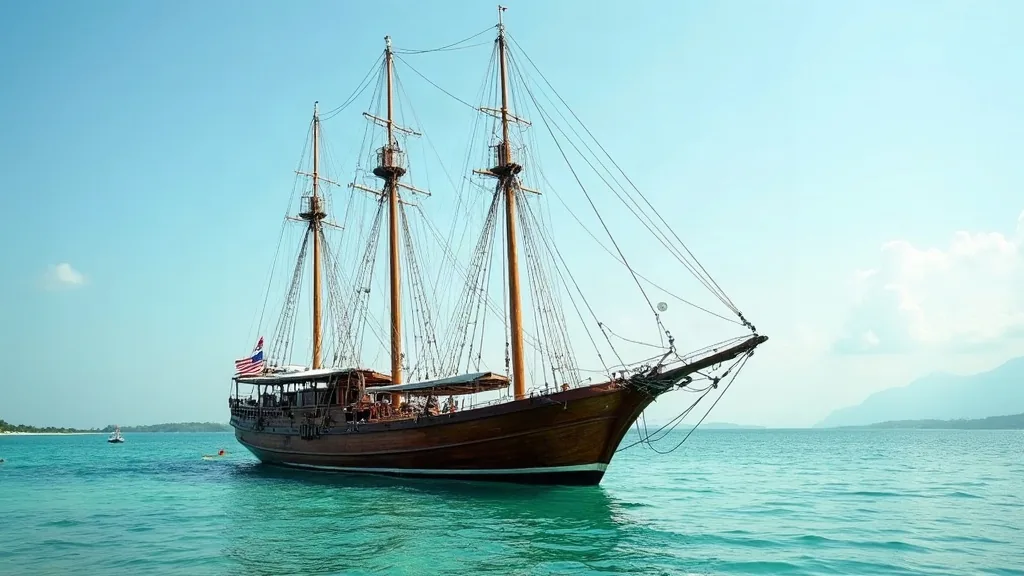
In 2017 the art of pinisi shipbuilding was inscribed on the UNESCO Representative List of the Intangible Cultural Heritage of Humanity. It is a genuine recognition of a genuine tradition. It is also widely misunderstood: it recognises the craft and the knowledge, not any yard, company or vessel, and it did not create funding, protection, regulation or a visitor site at Tana Beru.
What was actually inscribed
The inscription concerns the art of pinisi shipbuilding in South Sulawesi — the knowledge, techniques and associated practices of building these wooden vessels, including the rituals that accompany the work. The Representative List exists to raise visibility of intangible cultural heritage and encourage its safeguarding.
Two limits follow directly. It covers a practice, not a place. And it recognises a community’s knowledge, not any individual business, yard or brand. Anyone presenting a UNESCO listing as a credential belonging to their company has misrepresented what the inscription is. We say this plainly on the about page, because the temptation in this sector is considerable.
What it did change
- Visibility. International awareness of Sulawesi wooden shipbuilding rose measurably, and Tana Beru appears in far more travel writing and documentary work than before.
- Vocabulary. The tradition now has an internationally recognised framing, which matters when arguing for its value in policy discussions and in education.
- Legitimacy for safeguarding efforts. Local and national initiatives around documentation and transmission have a reference point they did not previously have.
- Visitor numbers. More people come — which is a mixed outcome, and honestly so, given that the yard has no visitor infrastructure and no one responsible for managing it, as the piece on free entry explains.
What it did not change
This list is longer and less often written down.
It did not create funding. Inscription on the Representative List is recognition, not a grant programme. No crew at Tana Beru receives money because of it.
It did not solve the timber problem. The constraint on wooden shipbuilding here is availability of large-dimension tropical hardwood, and a heritage listing does not grow trees. If anything, rising visibility raises demand while supply continues to tighten — see the wood question.
It did not address succession. The knowledge is transmitted by apprenticeship over decades, and the number of young people entering that path is the real determinant of whether the craft survives. Recognition does not make the work pay better. The apprenticeship gap looks at this directly.
It did not protect the site. There is no managed heritage area, no conservation regime over the shoreline, no ticketing, no interpretation and no safety management. The yard is exactly as it was: a working beach.
It did not regulate construction. A vessel built at Tana Beru is not certified, classed or registered by virtue of the tradition being recognised. All of that remains a separate documentary process, covered in registration and classification.
The uncomfortable part
Heritage recognition and living practice are not the same thing, and they can pull against each other. A craft that is celebrated but not commercially viable ends up preserved as demonstration rather than practised as work — a few hulls built for visibility while the trade that sustained it disappears.
The most effective safeguarding of this tradition is not commemoration. It is orders. Vessels commissioned, built, maintained and refitted keep crews employed, keep apprentices in work long enough to learn, and keep the knowledge in use. That is a less romantic conclusion than a heritage listing suggests, and it is the one the evidence supports. An owner who commissions a vessel and then maintains it properly across decades does more for the craft than a documentary does — see commissioning a build and hull life.
What it means for a visitor
Mainly this: adjust your expectations to what actually exists. The inscription may have brought you here, but it has not built anything for you. There is no visitor centre, no interpretation, no guide service, no toilets and no one responsible for your safety. You are walking through a workplace by courtesy, and that courtesy is what the etiquette in the visiting guide protects.
Visitors who arrive expecting a managed heritage attraction are frequently disappointed. Visitors who arrive understanding they are seeing a living trade — with all the informality, hazard and unpredictability that implies — generally find it one of the most memorable things they see in Indonesia.
What it means for an owner
Very little, directly, and that is worth knowing. The inscription does not certify a builder, guarantee quality, or substitute for a written specification, independent supervision and proper documentation. A hull built in a UNESCO-recognised tradition can still be built badly, from unseasoned timber, without records. Everything in newbuild supervision applies exactly as it would if the listing did not exist.
Reading the inscription for yourself
The listing is public and short, and it is worth reading before a visit because the wording does a lot of quiet work. The 2017 inscription on the UNESCO Representative List concerns the art of boatbuilding in South Sulawesi under the name pinisi, and it locates the living tradition in the boatbuilding communities of Bulukumba — the shoreline this site covers. Two things follow from the wording. First, what is recognised is knowledge carried by people, not a place, a company or a product, which is why no yard can accurately call itself UNESCO-certified. Second, the inscription obliges nobody: it funds no apprenticeship and audits no builder. Whatever safeguarding happens is done by the families on the beach, order by order, which is the honest frame for everything else on this page.
Frequently asked questions
What did UNESCO recognise in 2017?
The art of pinisi shipbuilding in South Sulawesi was inscribed on the UNESCO Representative List of the Intangible Cultural Heritage of Humanity. The inscription covers the knowledge, techniques and associated practices of the craft.
Does the UNESCO listing apply to a particular shipyard or company?
No. It recognises a community’s craft and knowledge, not any yard, business or brand. Any company presenting the listing as its own credential has misrepresented what the inscription is.
Did the inscription bring funding to Tana Beru?
No. Inscription on the Representative List is recognition rather than a grant programme, and no crew at Tana Beru receives money because of it.
Did it create a protected heritage site or visitor facilities?
No. There is no managed heritage area, no conservation regime over the shoreline, no ticketing, no interpretation and no safety management. The yard remains a working beach.
What actually safeguards the tradition?
Orders. Vessels commissioned, built, maintained and refitted keep crews employed and keep apprentices in work long enough to learn the craft, which keeps the knowledge in use rather than commemorated.
The inscription sits on top of an older identity: Bulukumba has carried the name Butta Panrita Lopi, the land of master boatbuilders, for generations before UNESCO took notice.